

Keywords
Epidemiology
Genetic factors
Surgery
Orthokeratology
Atropine
How to Cite
Abstract
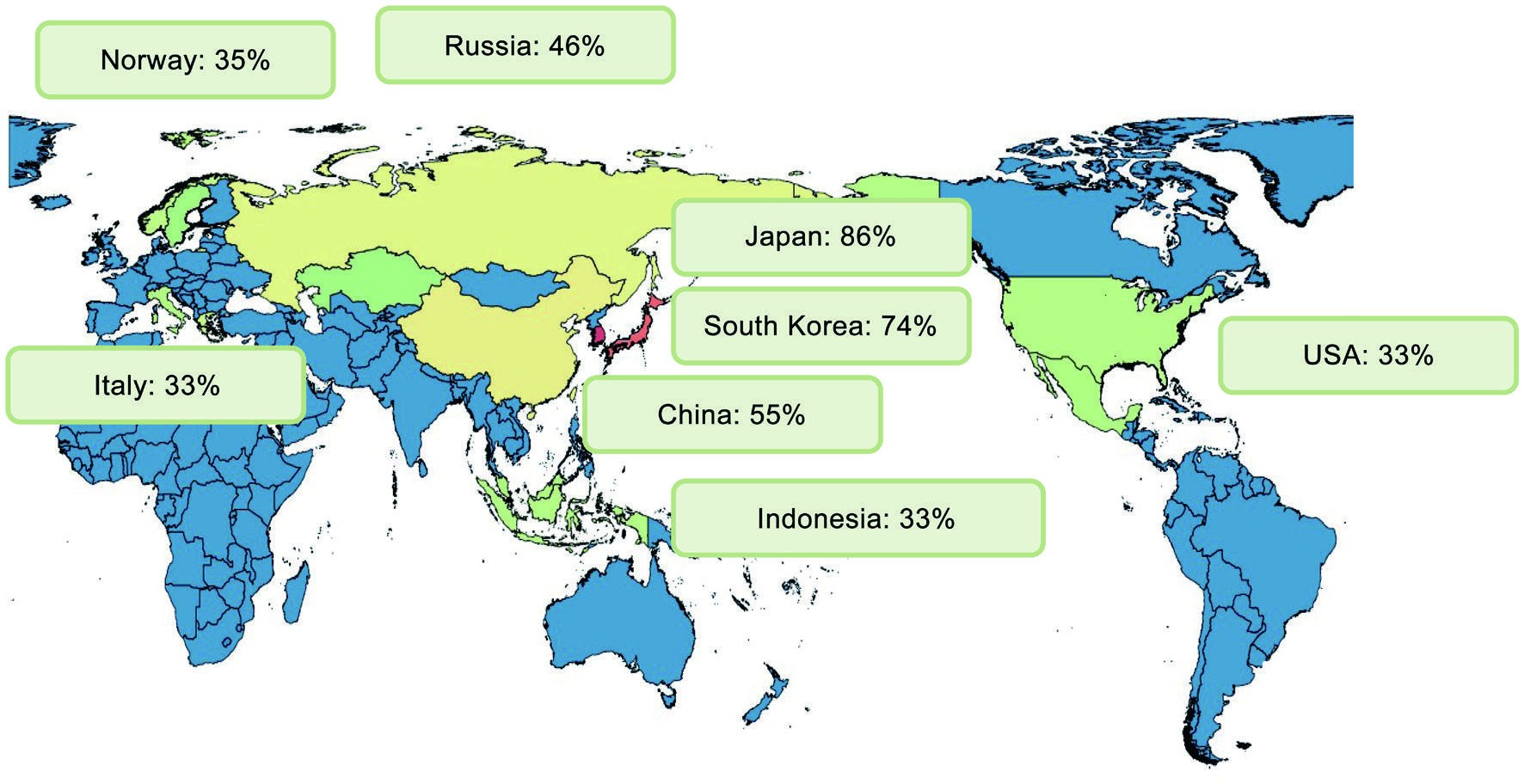
Myopia, a significant global public health issue, is characterized by excessive axial elongation of the eye, causing distant objects to appear blurred. Affecting approximately 30% of the global population, its prevalence is expected to rise to nearly 50% by 2050, raising concerns due to associated ocular complications such as retinal detachment, myopic macular degeneration, and glaucoma. This review examines the epidemiological trends, genetic and environmental risk factors, and regional variations in the prevalence of myopia. Management strategies encompass optical, pharmacological, lifestyle, and surgical interventions. Techniques such as peripheral defocus spectacle lenses, multifocal soft contact lenses, orthokeratology, and low-dose atropine eye drops have demonstrated efficacy in slowing myopia progression, with studies highlighting their effectiveness and safety. Lifestyle modifications, such as increased outdoor activities and reduced screen time, offer additional preventive measures. Surgical interventions such as laser-assisted in situ keratomileusis , small incision lenticule extraction, and intraocular lens implantation are viable options for high myopia cases, tailored to individual needs. A comprehensive management approach that integrates preventive and therapeutic strategies can effectively mitigate the burden of myopia and its vision-threatening complications.

This work is licensed under a Creative Commons Attribution-NonCommercial-NoDerivatives 4.0 International License.
Copyright (c) 2025 Nature Cell and Science