

Keywords
Intestinal epithelial cells
Autophagy
Reactive oxygen species
Reactive oxygen species (ROS)
NOD-like receptor protein 3 (NLRP3) inflammasome
How to Cite
Abstract
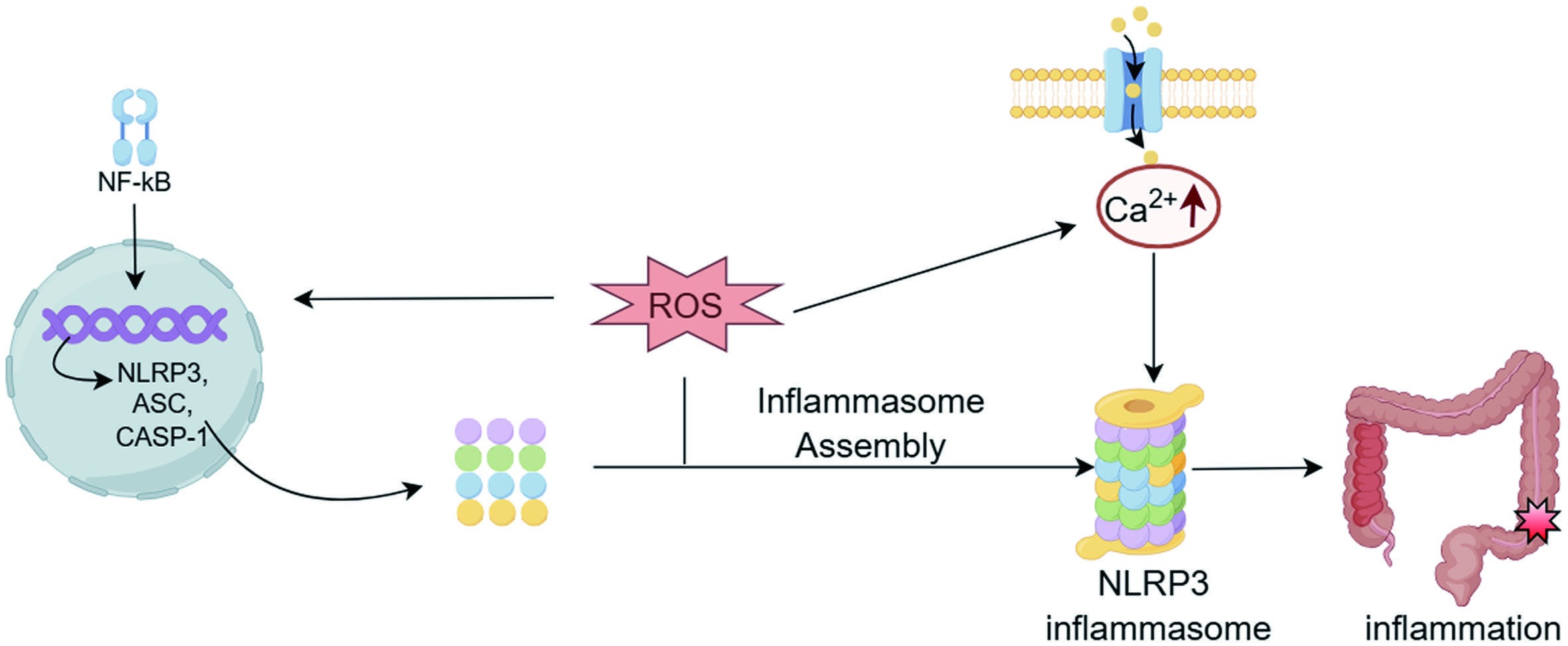
Inflammatory bowel disease (IBD) is characterized by chronic inflammation affecting the intestine and, in some cases, extra-intestinal manifestations. Its pathological mechanisms are complex and diverse. In recent years, numerous studies have demonstrated the efficacy of autophagy inducers in alleviating experimental colitis, particularly agents targeting autophagy-related processes such as endoplasmic reticulum stress, NOD-like receptor protein 3 (NLRP3) inflammasome activation, and reactive oxygen species (ROS) production. While these findings highlight the clinical potential of autophagy, critical gaps remain in understanding its stage-specific regulatory mechanisms during IBD progression and its dynamic interplay with interconnected biological processes. Therefore, this review systematically examines how autophagy modulates IBD pathogenesis through its crosstalk with endoplasmic reticulum stress, NLRP3 signaling, and ROS generation. Additionally, we summarize the latest research on therapeutic approaches targeting the ROS/NLRP3 axis and explore the potential of autophagy as a therapeutic target for IBD.

This work is licensed under a Creative Commons Attribution-NonCommercial-NoDerivatives 4.0 International License.
Copyright (c) 2025 Nature Cell and Science