

Keywords
PTSD
Microglial synaptic pruning
Amygdala hyperconnectivity
Memory im - pairment
Myrtus communis extract
Neuroimmune modulation
How to Cite
Abstract
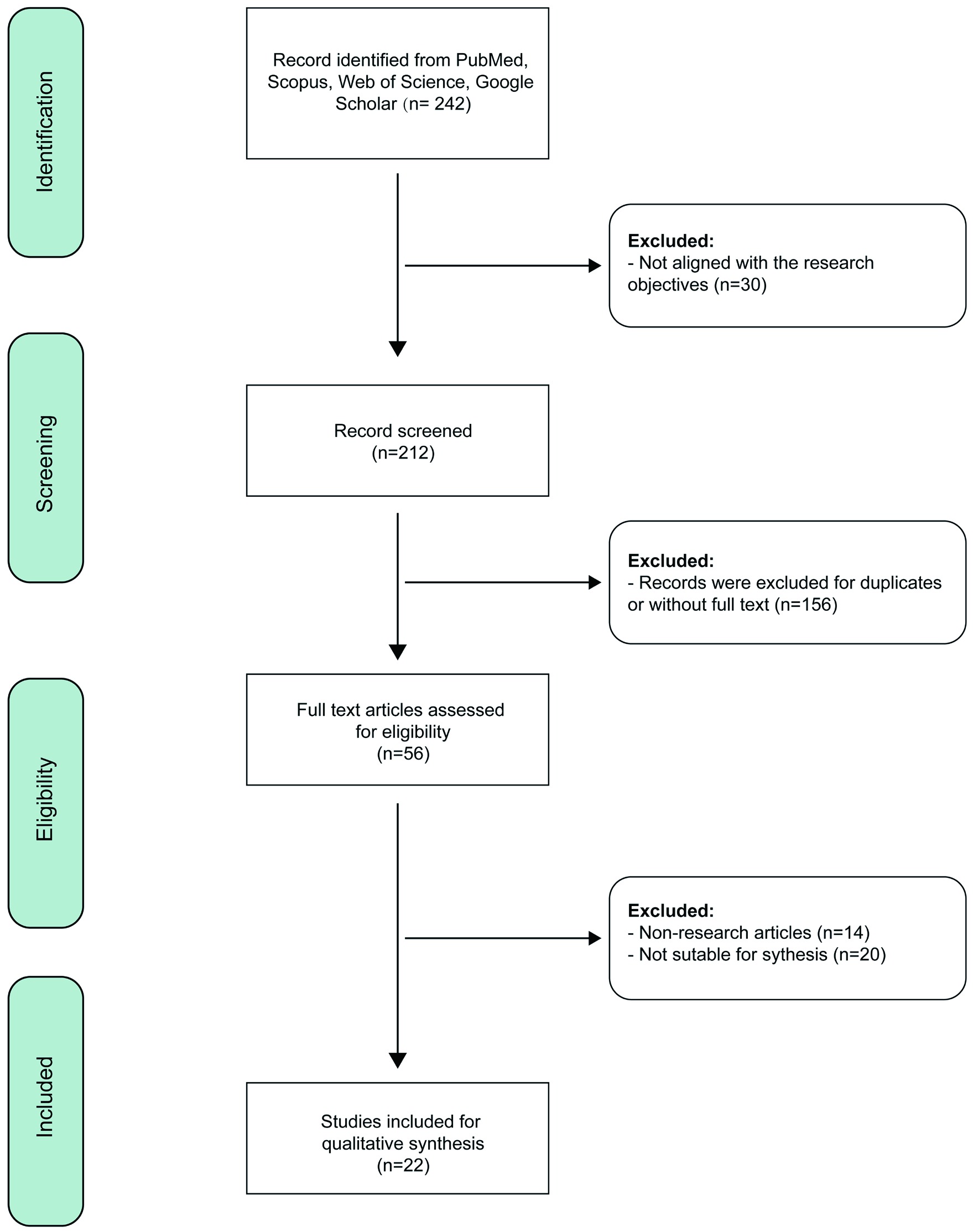
Background and objectives: Post-traumatic stress disorder (PTSD) is characterized by amygdala hyperconnectivity and disruption of hippocampal–prefrontal circuits, yet the neuroimmune mechanisms linking inflammation to altered neuronal communication remain incompletely understood. This study aimed to synthesize recent evidence on microglial synaptic pruning in PTSD and to evaluate whether modulation of pruning homeostasis is associated with cognitive and neurophysiological improvement in post-COVID PTSD. Methods: A systematic review of studies published between 2019 and 2025 was conducted in accordance with PRISMA (Preferred Reporting Items for Systematic reviews and Meta-Analyses) guidelines to examine microglial pruning mecha nisms involving complement signaling (C1q/C3–CR3), triggering receptor expressed on myeloid cells 2-apolipoprotein E mediated lipid sensing, and cytokine-dependent pathways. In parallel, a randomized, double-blind, placebo-controlled pilot trial was performed in patients with post-COVID PTSD (n = 60) to assess the effects of intranasal Myrtus communis extract on cognitive performance, electroencephalographic markers, and inflammatory cytokines. Results: The systematic review identified region-specific pruning imbalances in PTSD, with hippocampal over-pruning associated with elevated C3 signaling and memory impairment, and amygdalar under-pruning linked to reduced trig gering receptor expressed on myeloid cells 2/CR3 activity and hyperconnectivity with fear-related circuits. In the clinical trial, Myrtus communis extract was associated with significant improvement in delayed verbal recall compared with placebo (impaired recall: 4% vs. 27%; p < 0.01; Cohen’s d = 2.3), normalization of electroencephalographic activity (increased frontal theta and parietal alpha power; p < 0.05), and a 50% reduction in circulating interleukin-6 and tumor necrosis factor-α levels ( p = 0.01). Conclusions: Converging evidence from translational studies and a randomized clinical trial supports microglial synaptic pruning as a key neuroimmune process associated with circuit-level dysfunction in PTSD. Modulation of pruning homeo stasis may represent a promising precision-based therapeutic approach for trauma-related circuitopathies, warranting further investigation in larger, mechanistically focused trials.

This work is licensed under a Creative Commons Attribution-NonCommercial-NoDerivatives 4.0 International License.
Copyright (c) 2025 Nature Cell and Science