
Keywords
Biological agents
Immune balance
T lymphocytes
Regulatory T cells
Interleu- kin 12
Interleukin 23
How to Cite
Abstract
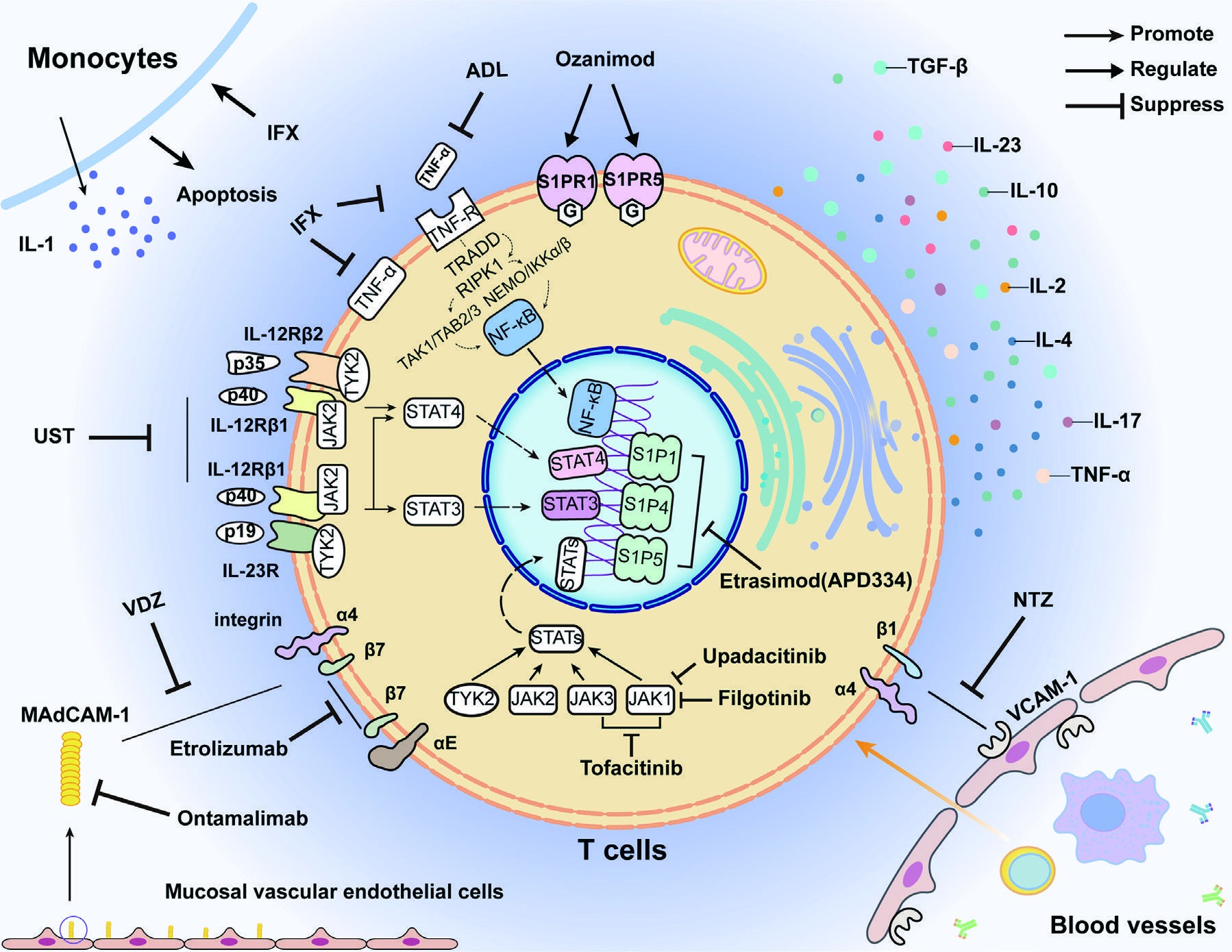
Inflammatory bowel disease (IBD) is a chronic inflammatory condition that affects the gastrointestinal and extra-gastrointestinal system and is strongly associated with immunity. IBD is thought to be primarily caused by an imbalance in immunological barriers, typically demonstrated by a disequilibrium of immune cells with either pro-inflammatory or antiinflammatory receptors. Despite the well-established efficacy of biological agents (BAs) in treating IBD, which underscores their remarkable therapeutic potential and elucidates their anti-inflammatory mechanisms, the immunomodulatory effects of BAs, particularly on immune balance such as T helper 1/T helper 2 and T helper 17/regulatory T equilibrium, remain to be fully elucidated. This review will summarize the immune balance mechanism of BAs in order to deepen the understanding of the immune mechanisms of BAs with important clinical significance in reducing the non-responses to BAs in IBD.

This work is licensed under a Creative Commons Attribution-NonCommercial-NoDerivatives 4.0 International License.
Copyright (c) 2024 Nature Cell and Science