

Keywords
Excipient
Pharmaceutical formulations
Network pharmacology
Pharmacodynamics
How to Cite
Abstract
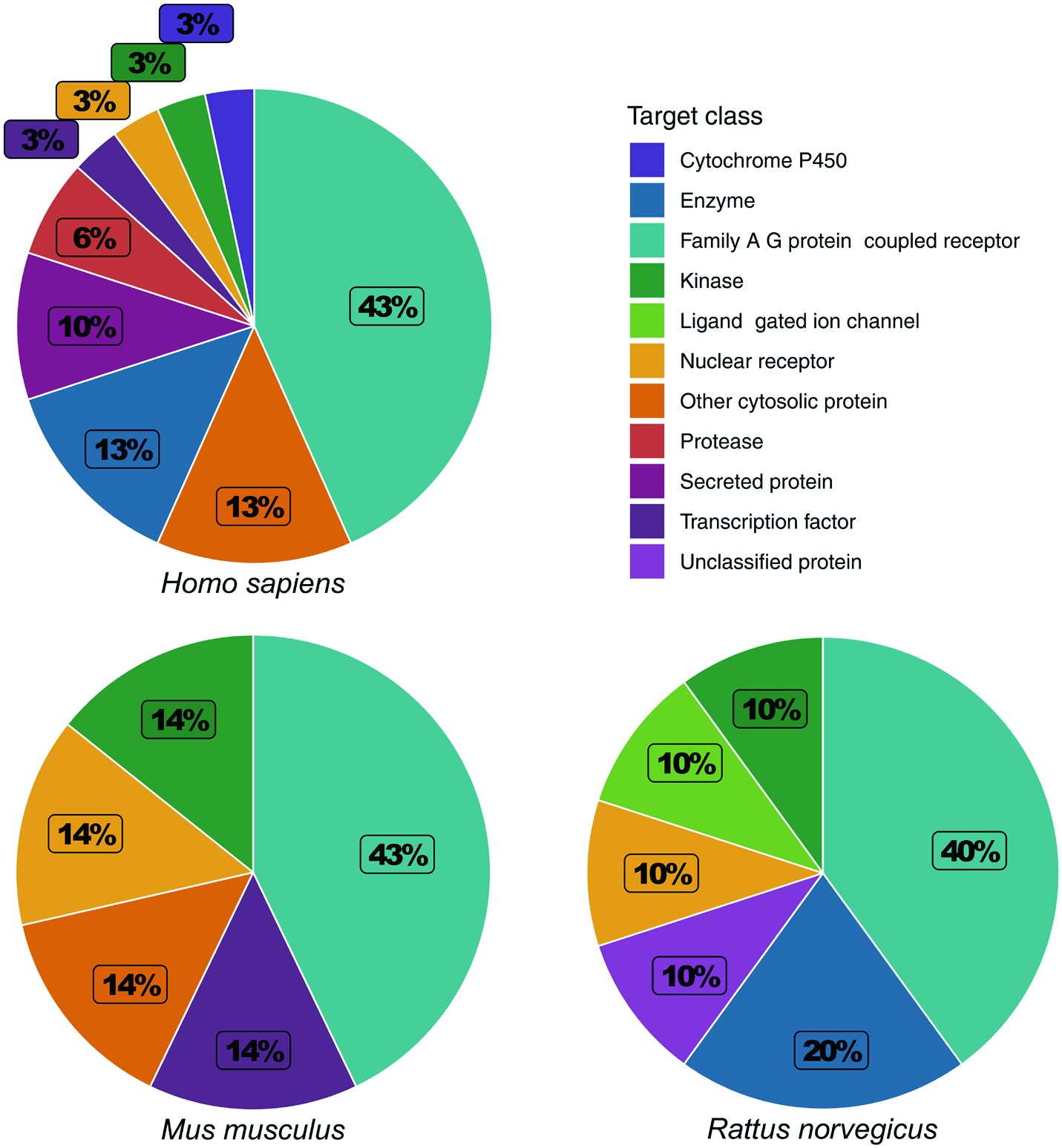
Background and Objectives: Trehalose is used as a pharmaceutical excipient due to its several desirable pharmacokinetic and historically evident safety features. However, information on the pharmacodynamic properties of trehalose is currently lacking. Hence, this study evaluated the comparative pharmacodynamic properties of trehalose using a network pharmacology approach. Methods: The specific targets of trehalose in human, mouse and rat were identified from the SwissTargetPrediction database, categorized and compared. The expression profile and subcellular localization of the targets of trehalose in human were identified and correlated with the affinity of trehalose to these targets to assess its impact on the pharmacodynamic properties of trehalose. The affinity of trehalose to its metabolizing enzyme in human, mouse, and rat was assessed by molecular docking and comparison. Results: A significant difference in the target categories and target types of trehalose was observed in human, mouse, and rat. The affinity of trehalose to human (66.03 ± 5.1 µM), rat (102.53 ± 11.3 µM) and mouse (42.07 ± 5.3 µM) trehalases were significantly different. Family A G protein-coupled receptors were identified as the major target category of trehalose, and cyclin-dependent kinase 1 was observed as the high-affinity target of trehalose in human and mouse. The correlation between target expression and affinity indicated minimal pharmacodynamic influence under physiological conditions. Conclusions: This study reports the selective targets of trehalose relevant to drug discovery and development protocols and highlights the limitations of rodent models in translating pharmacodynamic analysis of trehalose for the development of human therapeutics.

This work is licensed under a Creative Commons Attribution-NonCommercial-NoDerivatives 4.0 International License.
Copyright (c) 2023 Nature Cell and Science